


How Do You Treat Athletic Pubalgia?
- Aaron Gallardo
- Mar 16
- 2 min read

Pain in the lower abdomen or groin that worsens with running, cutting, or sudden movements may be a sign of athletic pubalgia. Often referred to as a sports hernia, this condition is common among athletes and active individuals who perform repetitive twisting or explosive movements.
Understanding how athletic pubalgia is treated can help individuals recover safely and return to activity with improved stability and strength.
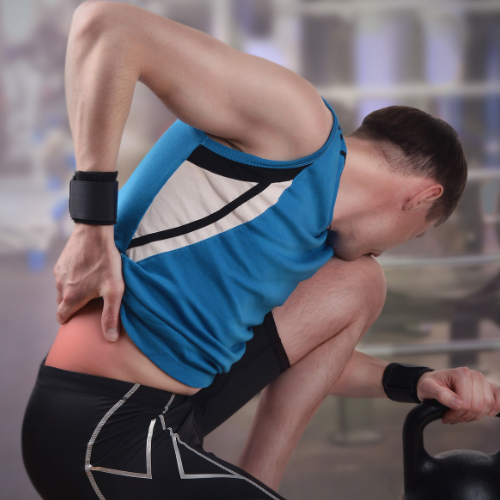
What Is Athletic Pubalgia?
Athletic pubalgia is a condition involving strain or injury to the muscles, tendons, or soft tissues of the lower abdominal wall and groin area. Despite the name sports hernia, it does not always involve a traditional hernia. Instead, it typically results from repetitive stress on the muscles that stabilize the pelvis and core.
This condition often develops in sports that require sudden changes in direction, sprinting, or kicking.
Common Symptoms
Athletic pubalgia may cause symptoms such as:
Deep groin pain during activity
Lower abdominal discomfort
Pain when sprinting, cutting, or twisting
Tenderness in the lower abdomen or groin
Pain that improves with rest but returns with activity
Symptoms often develop gradually and may worsen if the condition is not addressed.
How Is Athletic Pubalgia Treated?
Treatment typically focuses on reducing pain, improving stability, and restoring normal movement patterns.
Rest and Activity Modification
Reducing activities that place stress on the groin and abdominal muscles allows irritated tissues to recover.
Targeted Rehabilitation
Rehabilitation exercises focus on strengthening the core, hip, and pelvic stabilizing muscles. Improving strength and coordination helps reduce strain on the affected area.
Mobility and Flexibility Work
Stretching and mobility exercises for the hips, groin, and surrounding muscles can help restore balanced movement and reduce tension.
Gradual Return to Activity
Once symptoms improve and strength is restored, activity is gradually reintroduced to reduce the risk of reinjury.
Surgical intervention may be considered in severe cases or when symptoms persist despite conservative treatment.
How Long Does Recovery Take?
Recovery time varies depending on the severity of the injury and how early treatment begins. Mild cases may improve within several weeks, while more persistent cases may require several months of rehabilitation.
Early evaluation can help determine the extent of the injury and guide appropriate management.
When to Seek Care
You should consider professional evaluation if you experience:
Persistent groin or lower abdominal pain
Pain that worsens during sports or exercise
Discomfort that returns each time activity resumes
Limited ability to perform athletic movements
Prompt evaluation may help prevent the condition from worsening and support a more efficient recovery.
Athletic Pubalgia Care in Wasilla, AK
Altair Integrative Wellness
892 E Usa Cir Ste 108
Wasilla, AK 99654
Phone: +1 907-357-1818
Patients in Wasilla and the surrounding Mat Su Valley who experience groin or sports related injuries can receive evaluation to determine the appropriate next steps.
If you are experiencing groin pain or symptoms of athletic pubalgia, contact Altair Integrative Wellness in Wasilla, AK to schedule an evaluation. A thorough assessment can help identify contributing factors and guide an appropriate treatment plan to support recovery and return to activity.


Comments