


Physical Therapy for Cuboid Syndrome

Foot pain can quickly change the way you move throughout your day. Even a small shift in how your foot feels can affect walking, standing, and staying active. When the pain is on the outer side of your foot, it can feel sharp, unstable, and difficult to ignore.
Over time, this discomfort may cause you to change how you walk, which can lead to additional strain in other areas of your body. Understanding what is causing the issue and how to treat it properly can help you return to comfortable, confident movement.
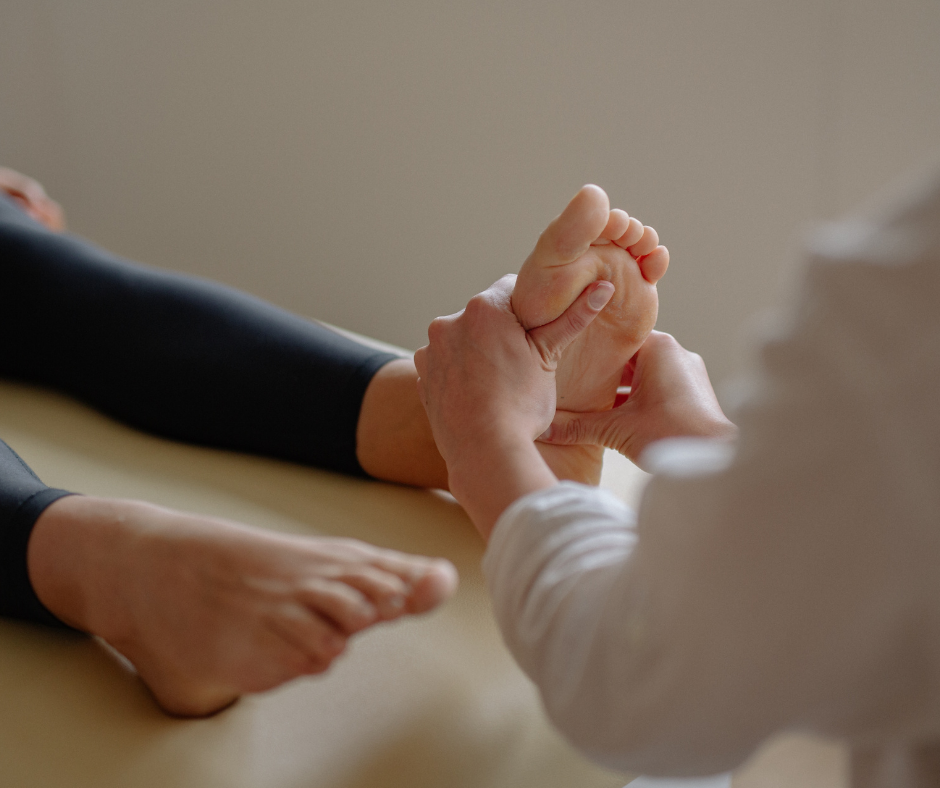
What Is Cuboid Syndrome
Cuboid syndrome occurs when the cuboid bone in the foot becomes misaligned or restricted. This bone plays an important role in foot stability and movement, especially during walking and weight bearing activities.
When it is not functioning properly, it can lead to pain and difficulty with normal foot mechanics.
Common Symptoms of Cuboid Syndrome
Symptoms may include:
Pain on the outer side of the foot
Discomfort when walking or pushing off the foot
Tenderness near the midfoot
Weakness or instability in the foot
Pain that worsens with activity
How Physical Therapy Helps Cuboid Syndrome
Physical therapy focuses on restoring proper foot mechanics and reducing stress on the affected area.
Improving Joint Mobility
Techniques help restore normal movement in the cuboid and surrounding joints.
Strengthening the Foot and Ankle
Targeted exercises improve stability and support during movement.
Enhancing Balance and Coordination
Balance training helps prevent further strain and supports proper foot function.
Correcting Movement Patterns
Improving how you walk and move reduces stress on the foot.
Can Physical Therapy Help Cuboid Syndrome
Yes, physical therapy is commonly used to treat cuboid syndrome. It helps restore alignment, improve strength, and reduce pain.
A structured program can help address both the symptoms and the underlying cause.
How to Tape a Foot for Cuboid Syndrome
Taping can help support the cuboid bone and reduce strain during activity. It is often used as a temporary measure to improve stability and comfort.
A physical therapist can show you proper taping techniques to ensure it is applied effectively and safely.
How Long Does It Take for a Cuboid Injury to Heal
Recovery time can vary depending on the severity of the condition and how it is treated. Some individuals improve within a few weeks, while others may take longer if the issue has been present for an extended period.
Consistent care and proper support can help speed up recovery.
What Is the Best Support for Cuboid Syndrome
Supportive footwear, orthotics, and taping can help reduce stress on the foot. These supports work best when combined with physical therapy to address movement and strength.
Improving overall foot mechanics is key to long term relief.
Why Foot Stability Matters
The foot plays a critical role in how the entire body moves. When one part of the foot is not functioning properly, it can affect balance and alignment throughout the body.
This is similar to conditions like chronic ankle instability, where weakness and instability in one joint can increase the risk of ongoing issues. Addressing these problems early can help prevent further strain.
Getting Back on Your Feet with Confidence
Foot pain can make every step feel uncertain, but with the right care, many people are able to regain stability and comfort. Improving how your foot moves and functions can help you return to your normal activities with greater ease.
Start Your Path to Recovery
If you are experiencing symptoms of cuboid syndrome, contact Altair Integrative Wellness in Wasilla, AK to schedule an evaluation. A thorough assessment can help identify contributing factors and guide an appropriate treatment plan to support recovery.
Altair Integrative Wellness
892 E Usa Cir Ste 108
Wasilla, AK 99654
Phone: +1 907-357-1818


Comments