


Physical Therapy for Diffuse Idiopathic Skeletal Hyperostosis (DISH)

Stiffness in your back or neck that seems to get worse over time can be frustrating and limiting. You may notice it is harder to bend, twist, or even stay comfortable for long periods. Over time, this lack of mobility can begin to affect your posture, daily activities, and overall quality of life.
When movement becomes restricted, it is not just about discomfort. It is about losing flexibility and feeling less confident in how your body moves. Understanding what is causing these changes and how to manage them can help you stay active and maintain independence.
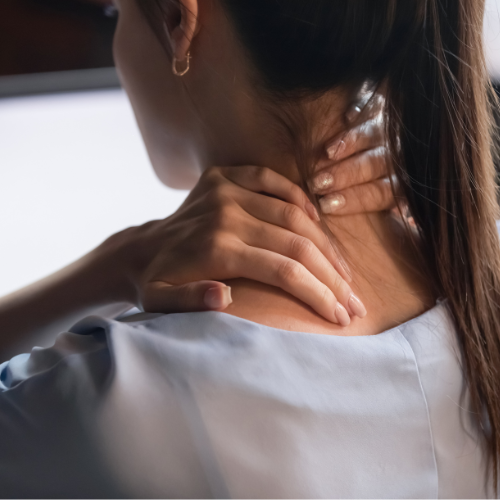
What Is DISH Disease
Diffuse Idiopathic Skeletal Hyperostosis, or DISH, is a condition where abnormal bone growth develops along the spine. This can lead to stiffness and reduced flexibility, especially in the back and neck.
Over time, these changes can limit movement and affect posture, making everyday activities more challenging.
Common Symptoms of DISH
Symptoms may include:
Stiffness in the spine, especially in the morning
Reduced range of motion
Difficulty bending or twisting
Mild to moderate back or neck discomfort
Changes in posture over time
How Physical Therapy Helps DISH
Physical therapy focuses on maintaining mobility and improving function despite structural changes in the spine.
Improving Flexibility
Stretching exercises help maintain range of motion and reduce stiffness.
Supporting Posture
Therapy helps improve alignment to reduce strain on the spine.
Strengthening Supporting Muscles
Stronger muscles help support the spine and improve stability.
Encouraging Safe Movement
Guided exercises help maintain activity without worsening symptoms.
What Is the Best Exercise for DISH Disease
Exercises that focus on gentle stretching and mobility are often most beneficial. These help maintain flexibility and reduce stiffness in the spine.
A physical therapist can guide you through exercises that are safe and appropriate for your condition.
Is DISH Considered a Disability
DISH can affect mobility and daily function, especially in more advanced cases. Whether it is considered a disability depends on how much it impacts an individual’s ability to perform daily activities.
A proper evaluation can help determine the level of functional limitation.
What Lifestyle Changes Help with DISH
Maintaining regular movement, improving posture, and staying physically active can help manage symptoms. Avoiding prolonged inactivity is important, as stiffness may worsen over time.
This approach is similar to managing chronic pain, where consistent movement plays a key role in maintaining function.
Is Massage Good for DISH Disease
Massage may help reduce muscle tension and provide temporary relief from stiffness. However, it does not address the underlying changes in the spine.
Combining massage with physical therapy can provide more comprehensive support.
Why Maintaining Mobility Is Essential
With conditions like DISH, maintaining movement is one of the most important parts of managing symptoms. Limited mobility can lead to increased stiffness and reduced function over time.
This is also seen in conditions such as cervical spondylosis, where ongoing changes in the spine can affect how the body moves. Staying active can help support better outcomes.
Staying Active and Maintaining Independence
DISH can feel limiting, but with the right approach, many people are able to maintain mobility and continue their daily activities. Focusing on movement and strength can help you stay active and improve overall quality of life.
Start Your Path to Better Movement
If you are experiencing symptoms of DISH, contact Altair Integrative Wellness in Wasilla, AK to schedule an evaluation. A thorough assessment can help identify contributing factors and guide an appropriate treatment plan to support your mobility and long term function.
Altair Integrative Wellness
892 E Usa Cir Ste 108
Wasilla, AK 99654
Phone: +1 907-357-1818


Comments